Uncategorized

#mathstlp Round-up (6th November)


Area of a trapezium

Area of trapeziums with fractions and decimals (Karen Hancock via Interwoven Maths)

Area of isosceles trapezium (Don Steward)

Area of a trapezium to the tune of Pop Goes the Weasel (YouTube)

Area of a trapezium variations (steele1989 via TES)

Finding area of trapezium using parallelograms, rectangles etc (Geogebra)


Factors and multiples

Using dot arrays (suggestion from @BrookeEHunter)

Find the Factors (Website)

Four in a row (suggestion from @MrsVMaths)

Gozinto multiples dice game (mrbartonmaths via TES)

Factors and multiples booklets (MathsPad subscribers only)

Using counters, arrays, grids, 100 squares (suggestion from @emmathe37th and others)


GCSE Foundation vectors and translation

Grid moves (Don Steward)

Vectors and quadrilaterals (MathsPad)

Teaching Together podcast, ep6 Translation (Complete Maths)

Autograph (Complete Maths)

Spell a Word Transformations (Whidds’s Shop via TES)

Resource folder (@RobotMaths)

Relating to using chess pieces and how the knight moves around the board (suggestion from @Ms_KMP)


Forming and solving quadratics (Grades 4-6)

Form and solve questions from Heylings (via Interwoven Maths)

Making quadratics from areas (pas1001 via TES)

Adapting MathsPad resources (suggestion from @onechriswhite)

Quadratics set-up (Karen Hancock)


“Different to usual” fractions and decimals for Y11

Old textbook questions (suggestion and link from @mathsjem)

Fractions with… (Interwoven Maths)

Multiplying fractions ‘gamma’ exercise (BossMaths)


Revisiony things for disrupted Y11 lessons

Free revision resources (GoTeachMaths)

Anything from (Backwards Faded Maths)

1st Class Maths breakfast revision grids (Foundation / Higher)

9-1 starters (Access Maths)

Monthly maths calendars (Wayne Chadburn)

Focus sheets (MathsBox – subscribers only)


Relative frequency (middle set Y9)

Does the theory match the experiment? (TeachIt Maths)

Shooting a basket / paper ball into a bin (suggestion from @taylorda1)

Flipping plastics spoons (suggestion from @karenshancock)

Flipping a coin and counting heads – links to binomial distribution at A Level (suggestion from @DrBennison)

Comparing equally likely outcomes (coin toss) with another event with two possible outcomes (penalty shootout) (suggestion from @jonAcoombs)


3D shapes

Polypad interactive for making and folding nets (Mathigon)

Pull-up nets (@herring_maths)

Backwards faded/fill in blanks surface area of cylinder (Mrs Jagger’s resources via TES)

Using physical 3D objects/models (suggestion from @BrookeEHunter)

Representing 3D shapes card sort (Standards Unit)

Introducing plan views using landmarks (suggestion from @LearningMaths)

Deconstructing a net of a Toblerone (delicious suggestion from @stephenbodman)

Design and make Christmas boxes (suggestion from @McilloneyYm)

Using interlocking cubes to make shapes and represent on isometric / dotty paper – draw plans and elevations (suggestion from @Vincent12877947)


Simplifying expressions

Equal tops pyramid (Don Steward)

One incorrect simplification (Don Steward)

Algebra 1 curriculum booklet (Chris McGrane)


Proof by contradiction

Start with a general introduction to proof before proving something which allows you to emphasise the structure of the proof (suggestion from @DrBennison)

Use “easy” proofs when introducing the idea – don’t pick a conceptually difficult proof like infinity of primes (suggestion from @Whitehughes)


Space-themed activities

Universcale magnitude tool (Nikon)

Planet close-ups with tilt and spin speed (@physicsJ via Twitter)

#mathstlp Round-up (6th November) Read More ยป

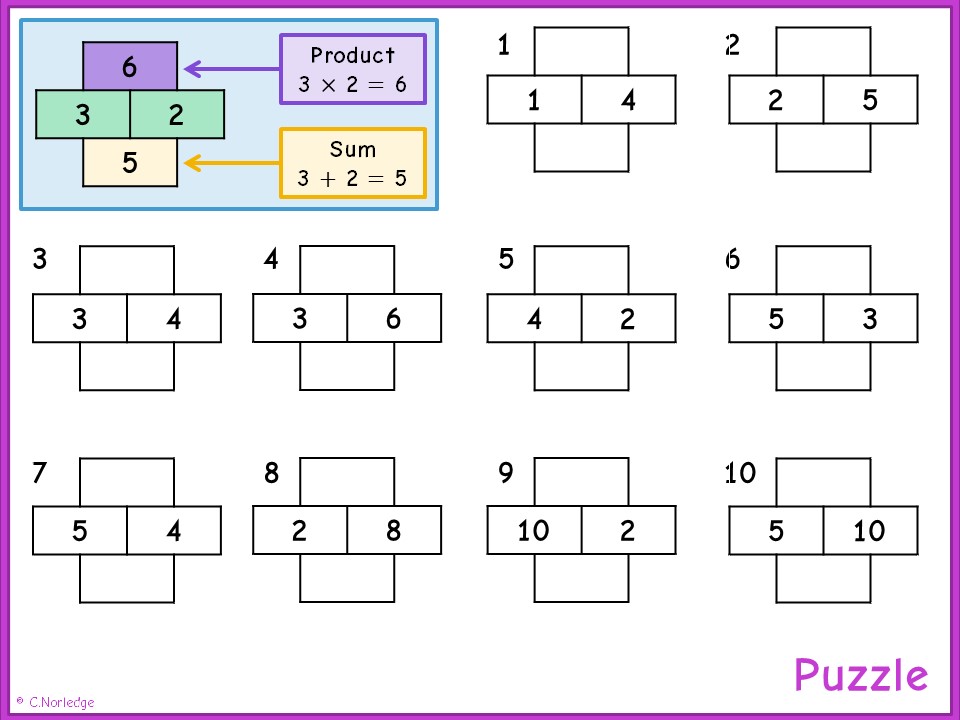
Product sum puzzles for expanding and factorising quadratics

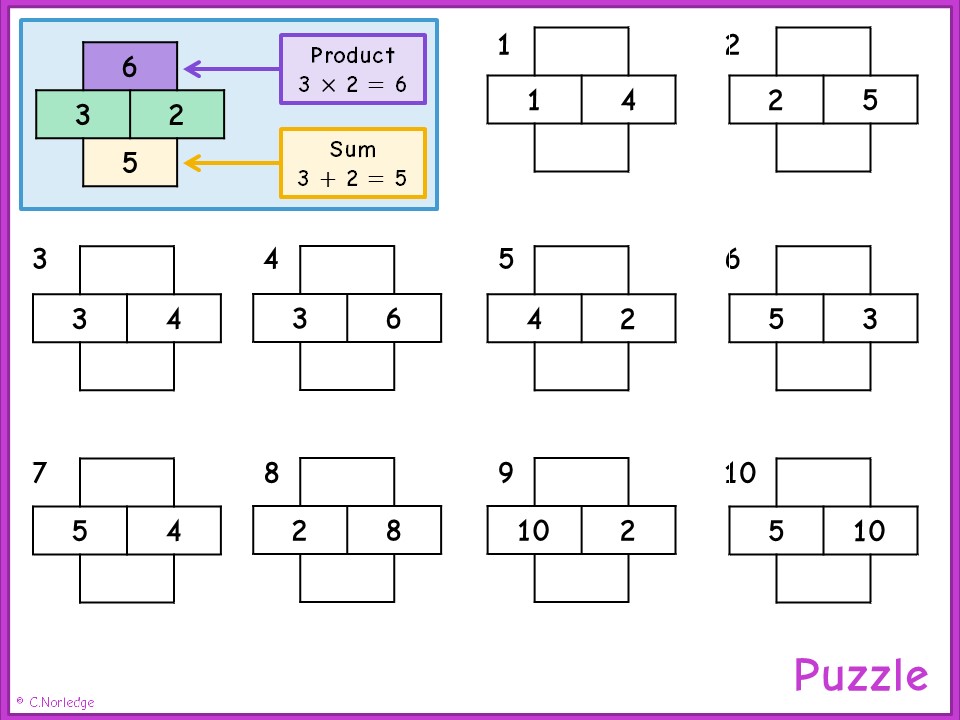
Working forwards

These puzzles are useful as a starter or quick introductory activity for expanding standard quadratic expressions.


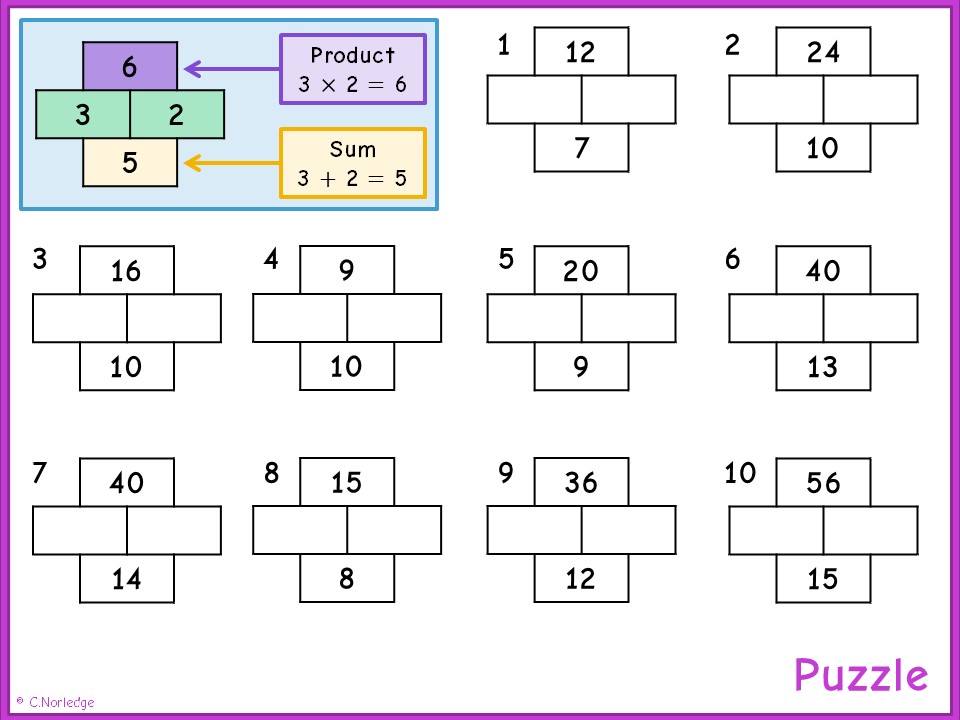
Working backwards

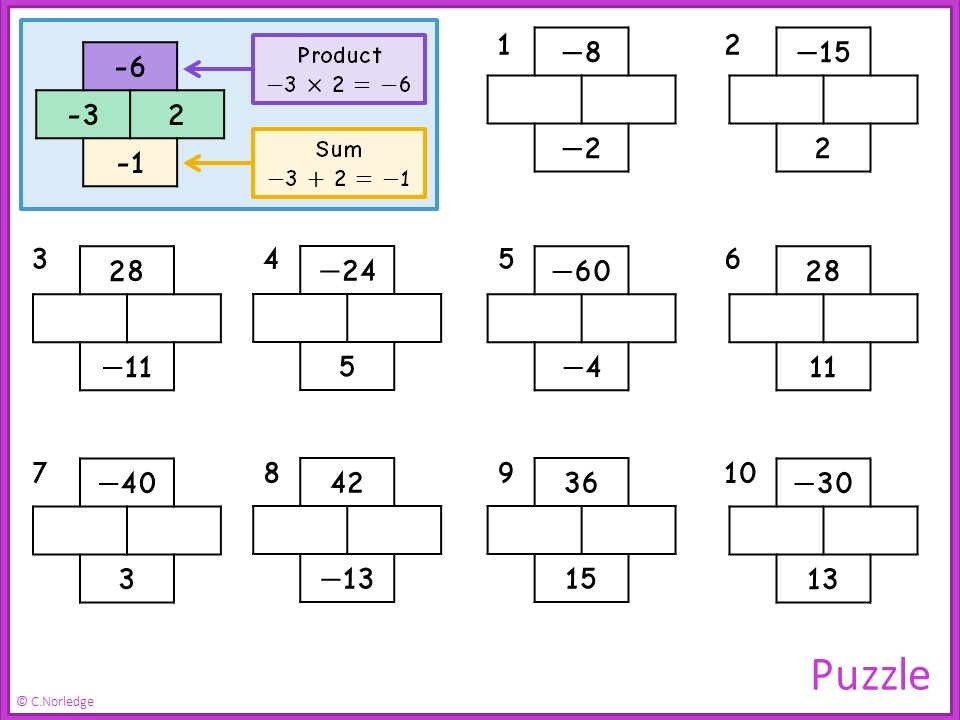
Once students have got the hang of how these work, ask them to work the other way around and provide the product and sum to give the required answers.

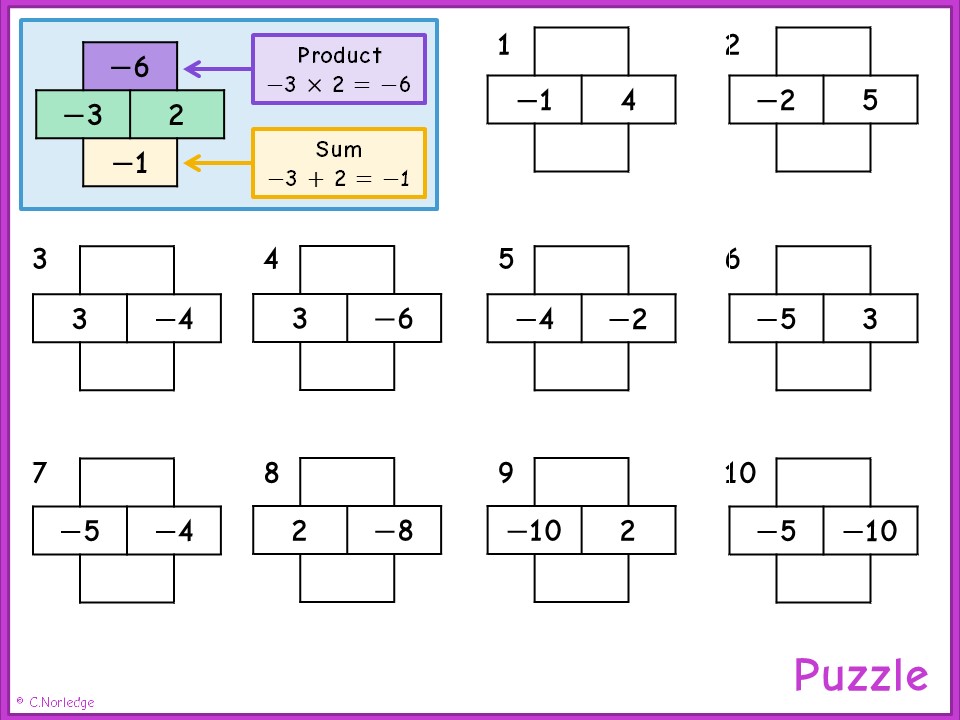
When dealing with negatives, I ask students to initially ignore the signs and just focus on finding two factors of the top number that they can “use to make” the bottom number. This way of phrasingย โ€‹the process helps them to get round the ever-present issues with negative numbers. We then discuss how the signs can be added to make the puzzle work.

Product sum puzzles for expanding and factorising quadratics Read More ยป

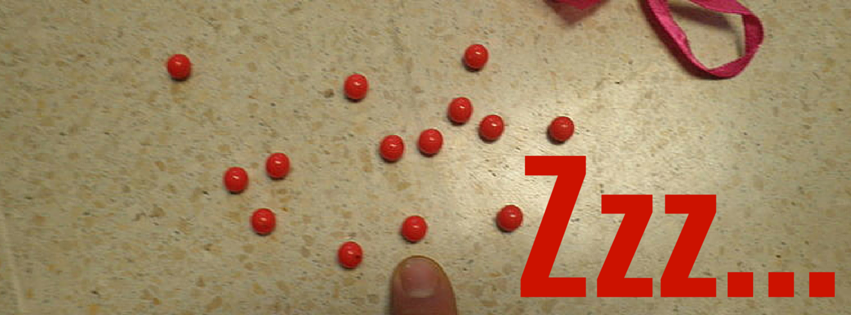
Zzz…

It’s Friday, half term started three hours ago and I have already spent one hour of that in bed with a banging headache; for those three reasons, tonight’s post is going to be short and sweet.It’s a tiny snippet of German etymological influence on mathematics.

The set of integers is denoted with the letter Z (rather than I) because Zahl (pl. Zahlen) is the German word for a number. Probably quite useful, as otherwise we’d be struggling for a letter to use for imaginary numbers. There’s suggestion that the reason Z stuck for the integers is because two of the most influential number theorists, Euler and Gauss, were both German and both used Z to represent the set of integers in their mathematical writing.

Incidentally, the word integer comes from the root verb tangere (to touch), and with the prefix means intact or whole – hence, the integers are the set of whole numbers. We also get the word integrity, which has the meaning of being whole or undivided.
โ€‹
That’s your lot for tonight – I’m now going to veg in front of the telly for a couple of hours before sleeping for, like, a week.
(Image credit: By Joxemai – Own work, CC BY-SA 3.0, commons.wikimedia.org/w/index….)

Zzz… Read More ยป

My classroom (before)

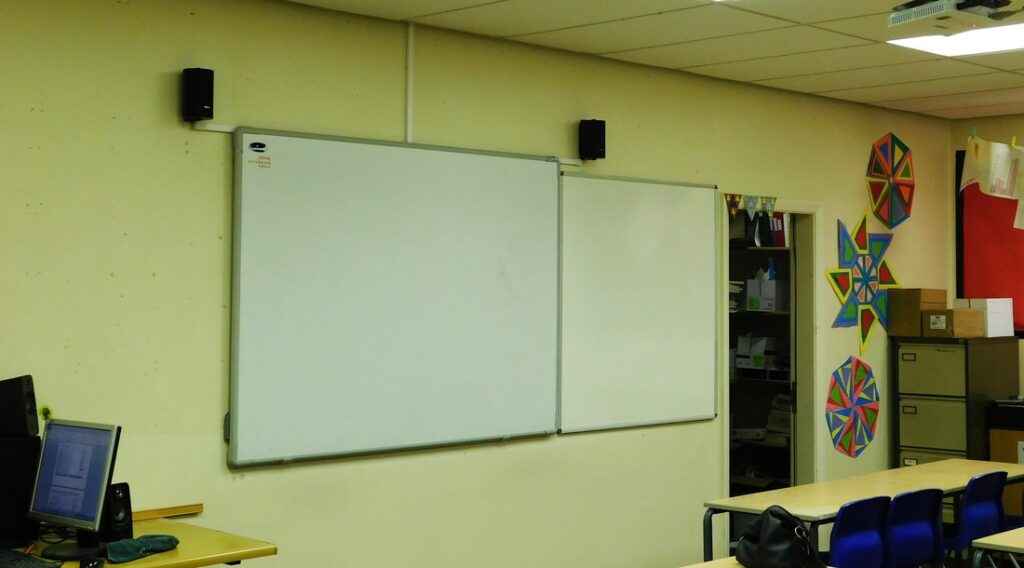
I’m finally resigning myself to the fact that the end of the holidays is nigh and decided to pop into school this morning. I asked for my classroom to be moved round during the holidays, changing the room from having the boards on a short wall to a long wall, so I wanted to suss this out, and also to remind myself about any display work that needs sorting out before the pupils return next Tuesday.

I had to take quite a lot of stuff down, which will all need to go back up again (sigh), so there are a lot of blank walls at the moment! Stay tuned for the “after” post next week sometime…

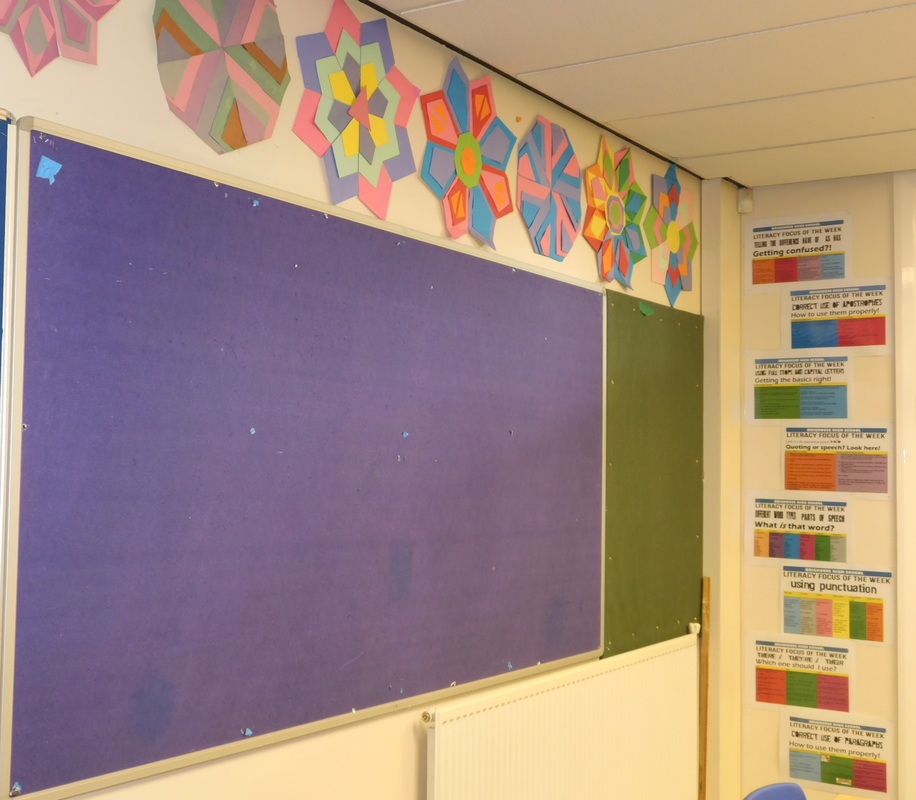
Front of the room with new board configuration, door to my storeroom and some pretty paper folding! The whole of the front wall is usually covered in helpful tips and pupils’ work, but I’ve left it off for painting.
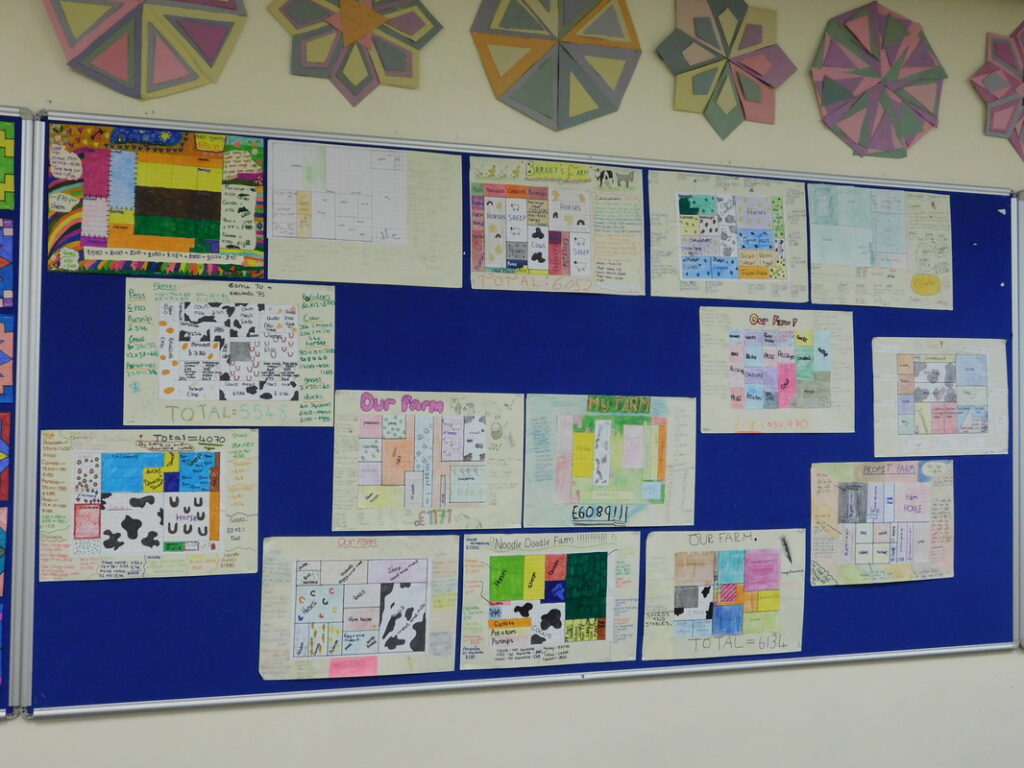
My “Farms” display – I do the perimeter/area challenge at the end of the year with KS3 groups. I need to add some explanatory posters and notes in the blank bits!
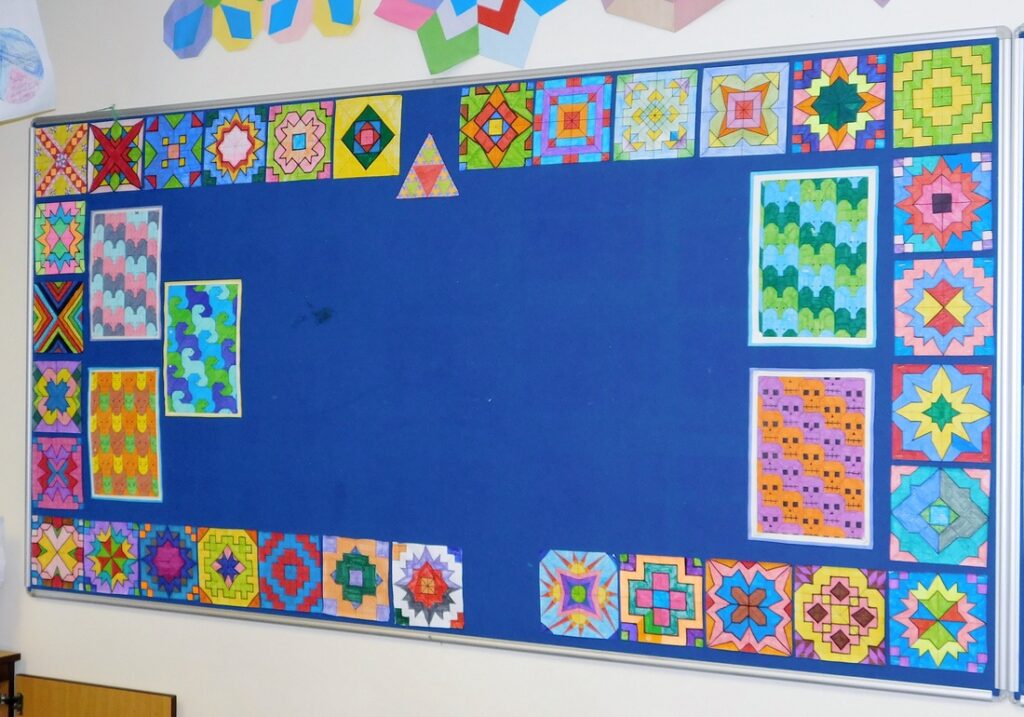
My “Mathematical Patterns” display also in development – I’ve collected the Rangolis over the years and was planning to do a large Sierpinski triangle in the middle. I only realised when I got home that the gap in in a different place at the top and bottom!
A big blank board to fill with… something. I did get round to putting up the rest of the paper folding work I’ve had stored for the last two years though – I do this during activity week while most of Year 7 are at camp.
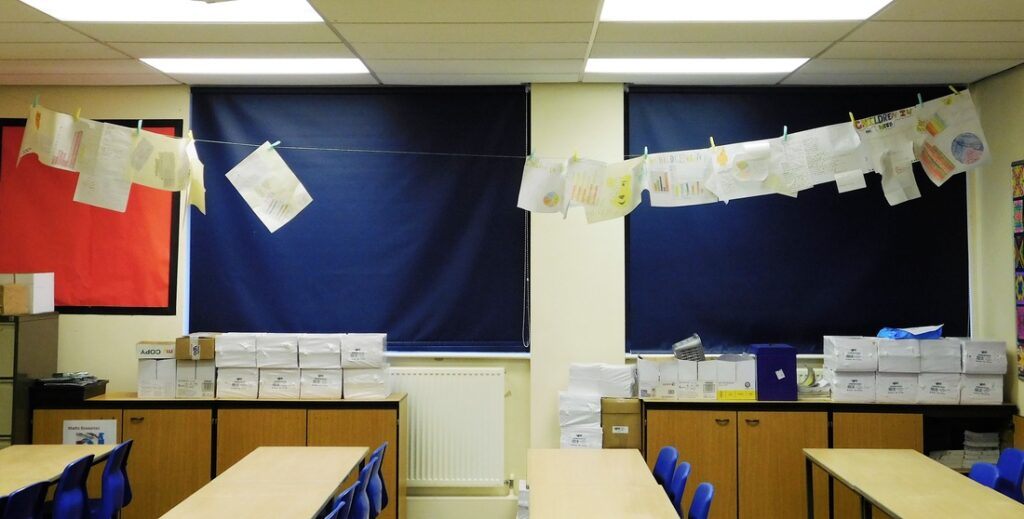
My rather depleted washing line! This needs adding to over the course of the year.
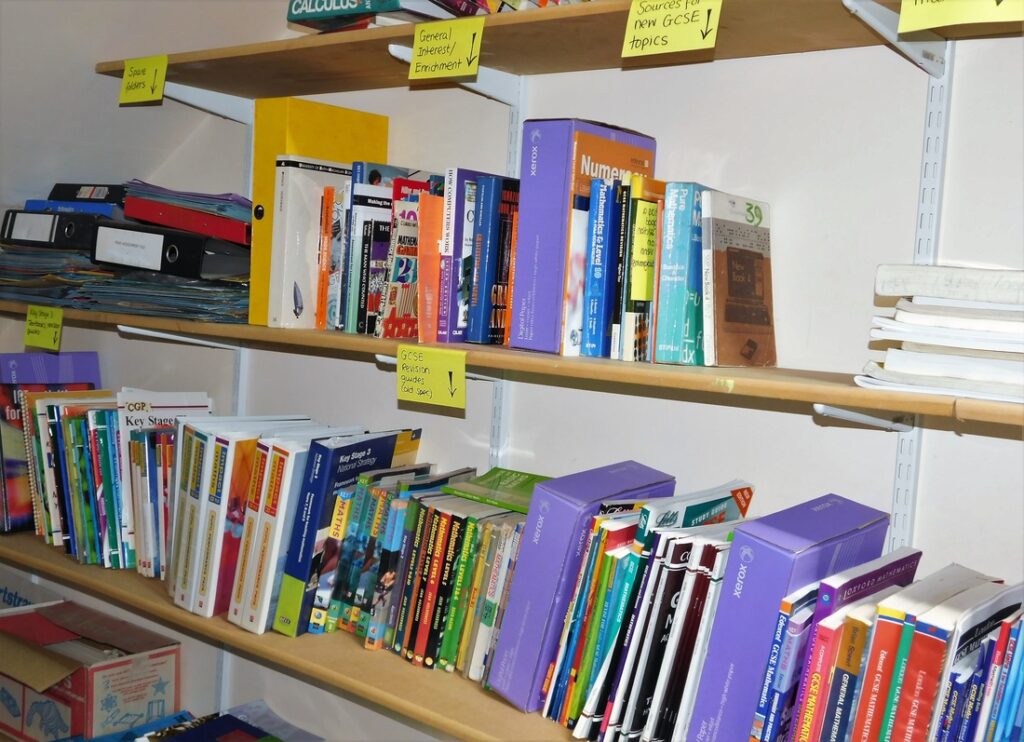
Nicely organised “library” in my storeroom – this was a major job!
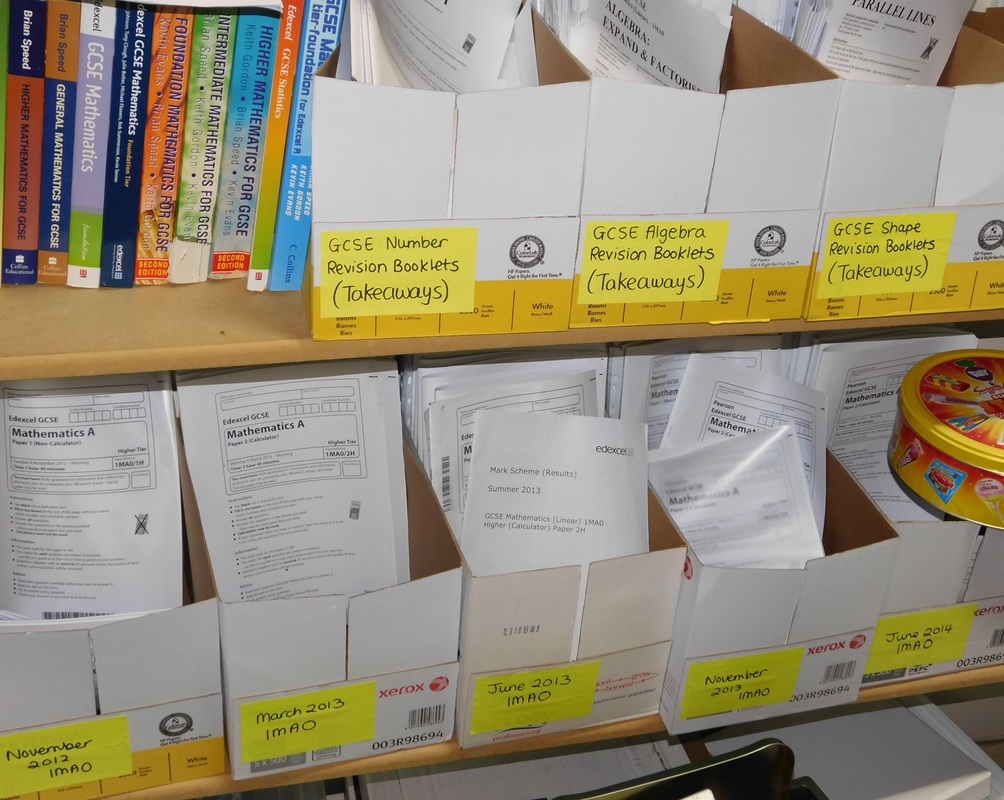
Leftover exam papers and revision booklets all stored neatly away.

My classroom (before) Read More ยป

Top 5 stationery must-haves

I know how loser-ish this sounds, but I love stationery. I particularly love picking up bits and pieces for the new academic year – Wilkinson’s is a great place to go for novelty Post-Its and patterned notebooks at a decent price.
If I’ve got to mark books, I’ll make sure I do it in a pen I enjoy writing with, and if I’ve got to give visible feedback, I’ll liven it up by using fluorescent pink stickers if I so choose.

So today’s post includes some of my stationery must-haves – I’m sure there will be more as I do this year’s big shop next week!

1. Marking pens

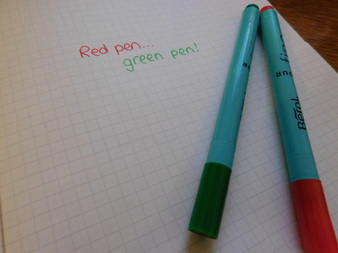
I wrote a post ages ago about Red Pen Green Pen and how I mark books. I’m still using this strategy, but have upgraded pens this year and am now marking in felt tip…

This seems a little extreme and possibly slightly too primary school for Year 11, but I made the switch halfway through this year and it seems to be working. Despite the fact that I tell them not to, I inevitably get a few pupils who write, mark or correct in red or green pen, and I found that my marking was getting lost on their page. My handwriting also seems to be getting worse every year, and the smaller I write, the more illegible it is. When my last “awesome marking pen” ran out this year, I found a random felt-tip fineliner in my pencil case, and it really made what I’d written stand out. 

I ordered a couple of multipacks on Amazon to bump up another large order for free delivery, but they’re a fairly reasonable price and twelve pens per pack should keep me going quite a while!

2. Post-it notes

I use Post-Its for a multitude of activities – they’re great for plenaries, quick questions or getting a little bit of written feedback from pupils, but also useful if you want to really highlight some of your feedback in pupils’ books. I’ve also found the little Post-It tabs really useful this year to stick in exam papers to direct pupils to questions I want them to correct.

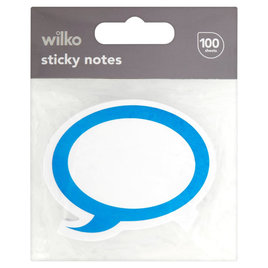
I usually get a pack of basic yellow ones, then pick up some multi-coloured and any funky novelty ones I can find – I really like the speech bubble ones from Wilkinsons for drawing attention to things I really want pupils to check or read.

3. Stickers

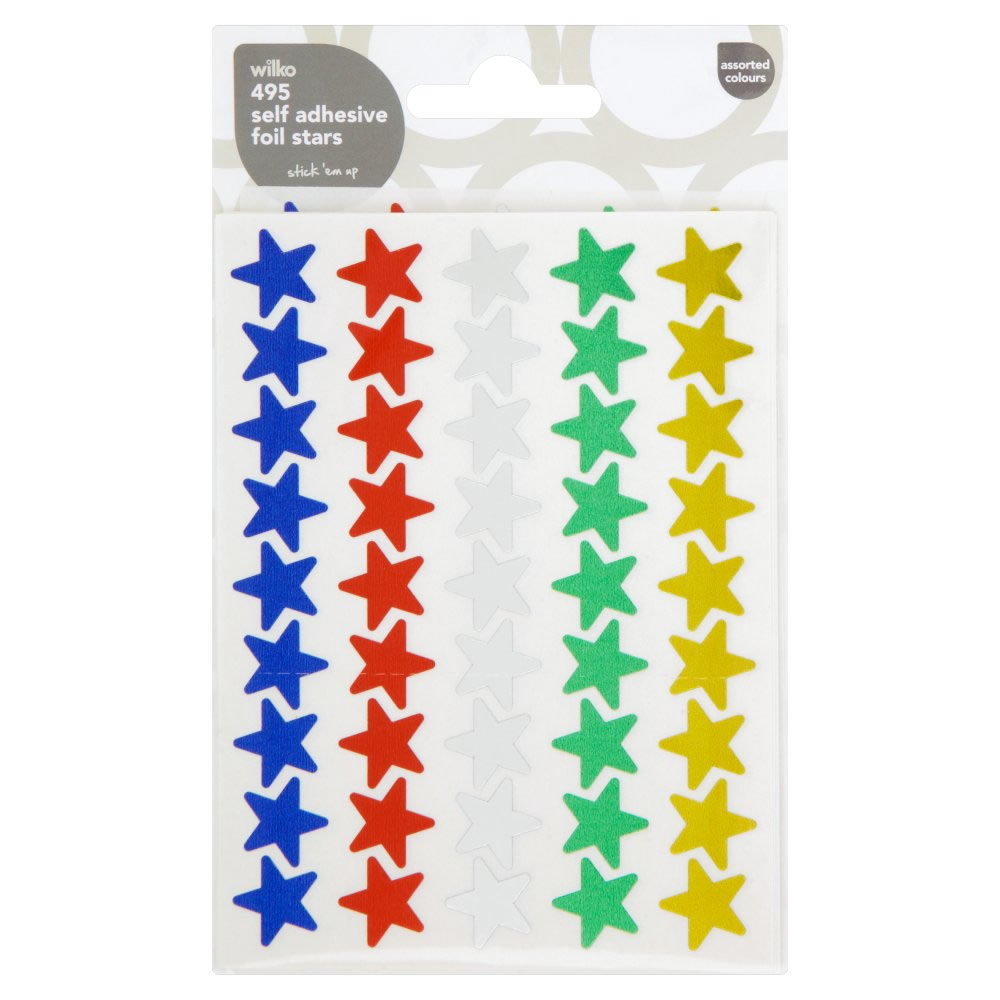
It never ceases to amaze me that even fifteen or sixteen year olds can be bribed with stickers. While our school works on a sticker and postcard rewards system, I also have some special stickers reserved for super-duper-excellent work.

You can pick up stars or similar fairly cheaply at most stationery shops, but the ones that go down best are the primary-focused ones. I’ve still got some sheets of a great set like this that I ordered from Primary Teaching Resources a couple of years ago, but the all-time favourites are these ones. I think I got my set in The Works on offer and they’ve lasted me at least four years so far, so are worth the pricetag. They are excruciatingly babyish, but for some reason, they seem to be a great motivator with teenagers!

4. Window chalk pens

I originally found out about these via Numberloving, and they really are a lot of fun. Before I moved classrooms, I had every window decorated – we mostly used to write key points and facts up, and I’d see pupils frequently glancing at the windows if they’d forgotten a method or definition. Because they can be wiped off easily, they are great for creating dynamic displays on a surface that would otherwise be useless.

It’s worth picking these up online though (these onesย from Stationery Islandย are decent); other than my first set, I now avoid buying them from shops like Staples as they can be expensive, and they aren’t often stocked by the cheaper shops.

5. Extra-cheap pens and pencils

No matter how hard I try or what different tactics I’ve attempted, I still find it impossible to get some pupils to bring their own pens. Inevitably, I end up lending pens or pencils out that just disappear. I’ve previously tried marking them with paint, stickers, demanding something in return, but it just takes too long at the start of a lesson when I’d rather be getting on with the maths. My best-fit solution now is just to bulk-buy the most rubbish pens and pencils I can at the start of the year (Poundland’s a good source for this), so I’m not too upset if they go missing or get broken! They’ve usually disappeared by Christmas, but at ยฃ1 for a pack of 24, I don’t mind too much having to replace them.

Top 5 stationery must-haves Read More ยป

Lessons learned – writing a scheme of work

I’ve spent a large chunk of my time over the last 18 months writing a scheme of work for Key Stage 3. I wrote a blog in June about our experiences ofย a year of masteryย teachingย and it’s a theme I’ll come back to in later posts over the summer, as the endless (M)astery debate is getting a lot of air time at the moment. As a side note, it’s worth readingย Charlie Stripp’s blog postsย andย Andrew Blair’s responsesย for views from both sides of the table.

I decided that today’s post for the SBPC (Summer Blog Post Challenge – read here) should be about that journey, and the pitfalls I’ve met along the way. For a much more in-depth chronicle of writing a scheme, I suggest checking out Craig Barton’s 19 part series – it takes a while to read, but has some great tips and ideas if you’re in the same position I was a few months ago.


Step 1 – Assess starting point

This was really easy for me – our starting point was nearly nothing. For a bit of context, the department had been using the New Maths Frameworking books for quite a while, and the scheme was pretty much “follow the textbooks”, with a bit of supplementary NRich material thrown in. The assessments weren’t really working for the pupils, and many of them felt that we were moving on far too quickly and nothing was sticking – evidenced by the fact that pupils were sometimes scoring 3 or 4 out of 50 on the half-termly tests, despite having superficially “got it” after one lesson.

However, even when starting a scheme from scratch, I was wary of throwing out the baby with the bathwater. We already had a good deal of stuff that worked, and I wanted to keep that in our new scheme.


Step 2A – Plan an approach

One of the fundamental things to change in our new scheme was the amount of time spent on topics. I started to think about the way I teach GCSE, which is to pick up a strand and follow that – for example, I usually teach linear sequences, followed by graphs, then into solving equations, which helps pupils to build the links between topics.

I started writing a thematic curriculum along these lines, with the idea that each year group would follow a certain “theme” each turn. So, for example, the Year 7 themes were:

  • Looking for patterns – Sequences, basic algebra, graphs, substitution
  • Planning a Christmas party – Written and mental calculations, ratio, rounding, measurements
  • The power of 10 – Place value, metric and imperial (because they were still in the curriculum then), multiplying and dividing by powers of 10.
  • The farmer’s field – Perimeter and area of squares, rectangles and composite shapes, mental calculation methods, unit conversion.
  • The average Year 7 – Basic data handling cycle.
  • Maths and Art – Shape and angle properties, transformations, 2D and 3D shapes.

I then broke it down further into single objectives for that unit – so the first unit in Year 7 consisted of:

Skills

  • Generate sequences from term-to-term or nth term rule.
  • Find nth term of a sequence.
  • Recognise arithmetic/geometric sequences.
  • Conventional notation for priority of operations, including brackets and powers.
  • (Informally) Use integer powers and associated real roots.
  • Use algebraic notation; understand that algebraic notation follows same convention (order of operations).
  • Understand concept of expressions, equations, terms.
  • Substitute into algebraic formulae.
  •  Work with coordinates.
  • Graphs of linear functions.
  • Interpret relationships algebraically and graphically.
  • Calculate gradients and y-intercepts graphically.
  • Link in ratio notation and discussion of proportion.
  • Direct proportion and linear relationships.

Exploration

  • Mobile phone tariffs.
  • Speed, distance, time relationships.
  • Important sequences e.g. square numbers, cube numbers, Fibonacci.
  • Fermatโ€™s Last Theorem.
  • Happy Numbers.

I’ll add now that this isn’t what we ended up doing, for reasons detailed below. With a year of mastery teaching behind me, I’m now looking back and wondering if even that list of things is a little ambitious for some Year 7s to achieve in a half term, particularly those who can’t accurately multiply and divide. 

I’d still like to make a thematic curriculum work, as I think it would be quite enjoyable to teach. Unfortunately, I just don’t have the time to reinvestigate at the moment, particularly with all the changes we’re adapting to across the board.


Step 2B – Throw it all out and start again

Writing a thematic scheme for five year groups over the summer last year may well have killed me. Fortunately, before I’d gone too far down that route, my HoD came back from a meeting with the bare bones of Trinity’s Mastery Pathway. At this stage in its development, there was little more than a rough outline of objectives and a baseline assessment, so it would still take a lot of work. You can read about the basic ideas behind it here.

We decided to take this on for three reasons:

  1. It agreed with a lot of our aims about teaching less content more slowly – this is what mastery is in my head, and this was a few months before it became the contentious buzzword it is now.
  2. It sorted out our issues with assessing without levels.
  3. The chunking of topics was similar to the thematic bits that I’d written, but the order was more sensible – for example, starting off with basic number skills if pupils haven’t already mastered those. It’s difficult to teach algebraic fluency if numerical fluency isn’t already there.

Step 3 – Resourcing the scheme

Because (at that stage) we had very little to go on, and schemes of work were being written over the course of the year, I decided that I’d need to do a lot of work on the bare bones to turn it into something that the department could use.  

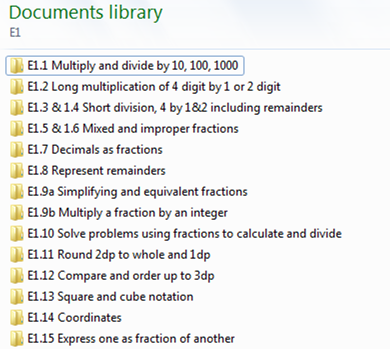
The first thing I did was collate all of the existing resources and categorise them by study step. Both the resources on our school system and my resources were in an absolute mess, with things randomly saved everywhere. Although this was probably the most time-consuming part of the project, it’s saved me countless hours over the course of this year, because I can just click on the step I’m currently teaching and find all the resources I’ve got saved.

I’m hoping to get a similar system up and running properly on my site this year to make it easier to share resources with other schools working on the Mastery Pathway.


Step 4 – Writing the flippin’ stuff

Once I’d got all the resources in place, I started trying to put together a working document to serve as our scheme. I was unsure how to make this work – I started with a document with several columns for each objective and began hyperlinking resources. This quickly got very unwieldy, as I wanted to include a description of each resource as I put it in.

I then decided to move away from having one document to writing a scheme, then objective plans. I’ll talk more about why this hasn’t worked in the next bit…The issue of time planning was further complicated by the fact that we have many split classes in Key Stage 3, so I had to try and split topics between teachers – so for example, one teacher would deliver the number content for that step, while the other delivered the algebra or shape. This didn’t work either…

I’ll add that doing both of these things took absolutely forever, and I really don’t recommend it.

It’s not all doom and gloom – the stuff I wrote has been used this year, and we’ve found it useful to be able to navigate quickly to appropriate resources.


Step 5 – Adopt, Adapt and Improve

Over the course of this academic year, I started properly developing the “Resources” section of my site, and found that I was duplicating an awful lot of my efforts. When I found new resources to add, I either wasn’t at school (so unable to access the objective plans easily), or didn’t have the time to muck around hyperlinking and adding a description. It was much easier to just plonk resources in the appropriate step folder, both for myself and for colleagues.

The scheme we have is now working well, but the management and improvement of it is not. It’s too much of a time-sink to keep on top of managing (by a rough count) approximately 200 separate documents and maintaining all the links, particularly when I’m doing a lot of that on my site already!

I’m currently playing around with ideas for how I’ll do this, and try to balance sharing my stuff with everyone, while also keeping our department’s work a priority. There’s another site section in development for all of this, and I’ve already reworked four step plans. There will be lots more blogging along these lines in my blog-post-a-day summer challenge!
Lessons learned – writing a scheme of work Read More ยป